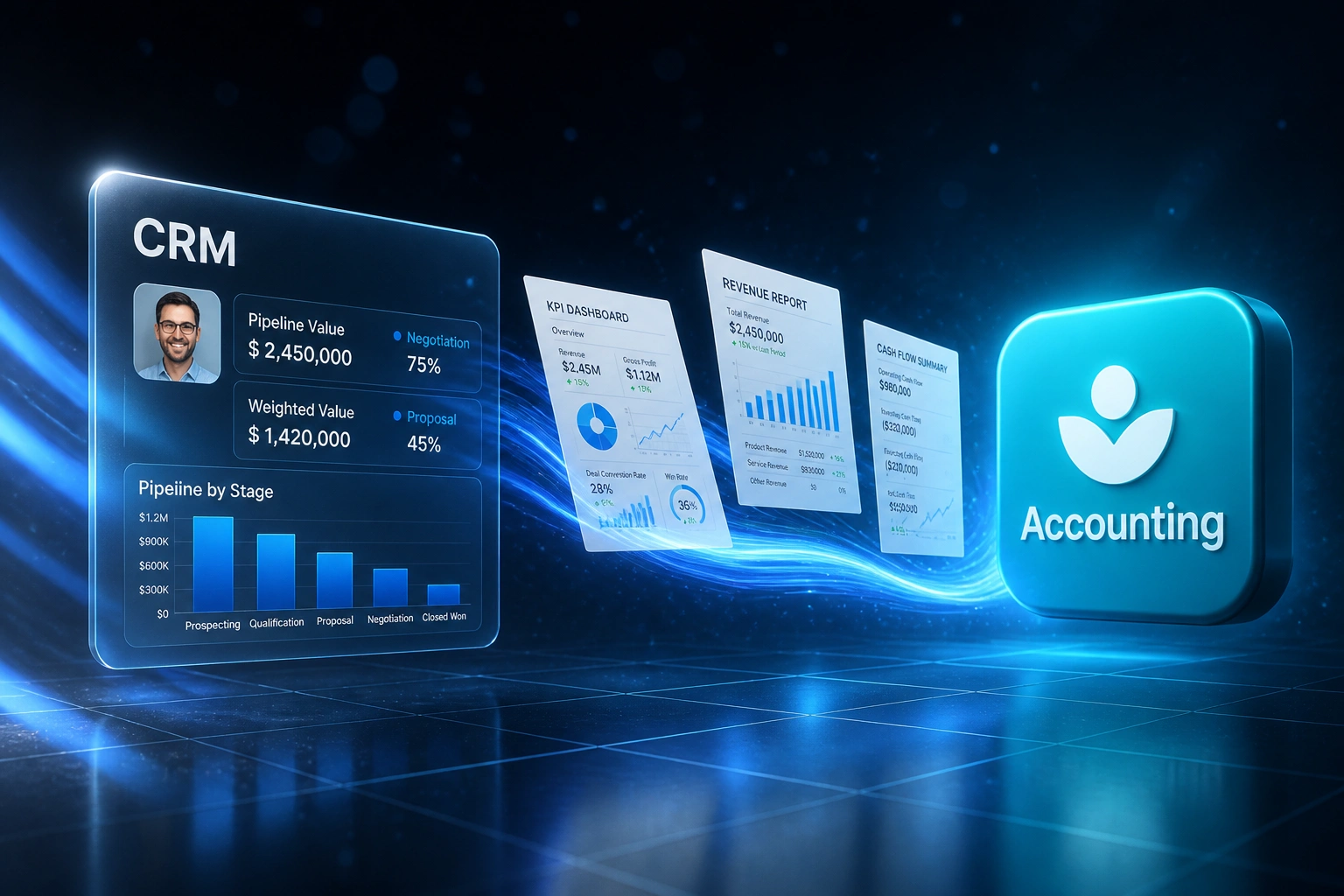
Building a Financial Dashboard from CRM and Accounting Data
Leadership cut Monday financial assembly from 8 hours to 20 minutes. One live dashboard of pipeline, recognised revenue, and cash recovered R210K+ in year-one executive time.
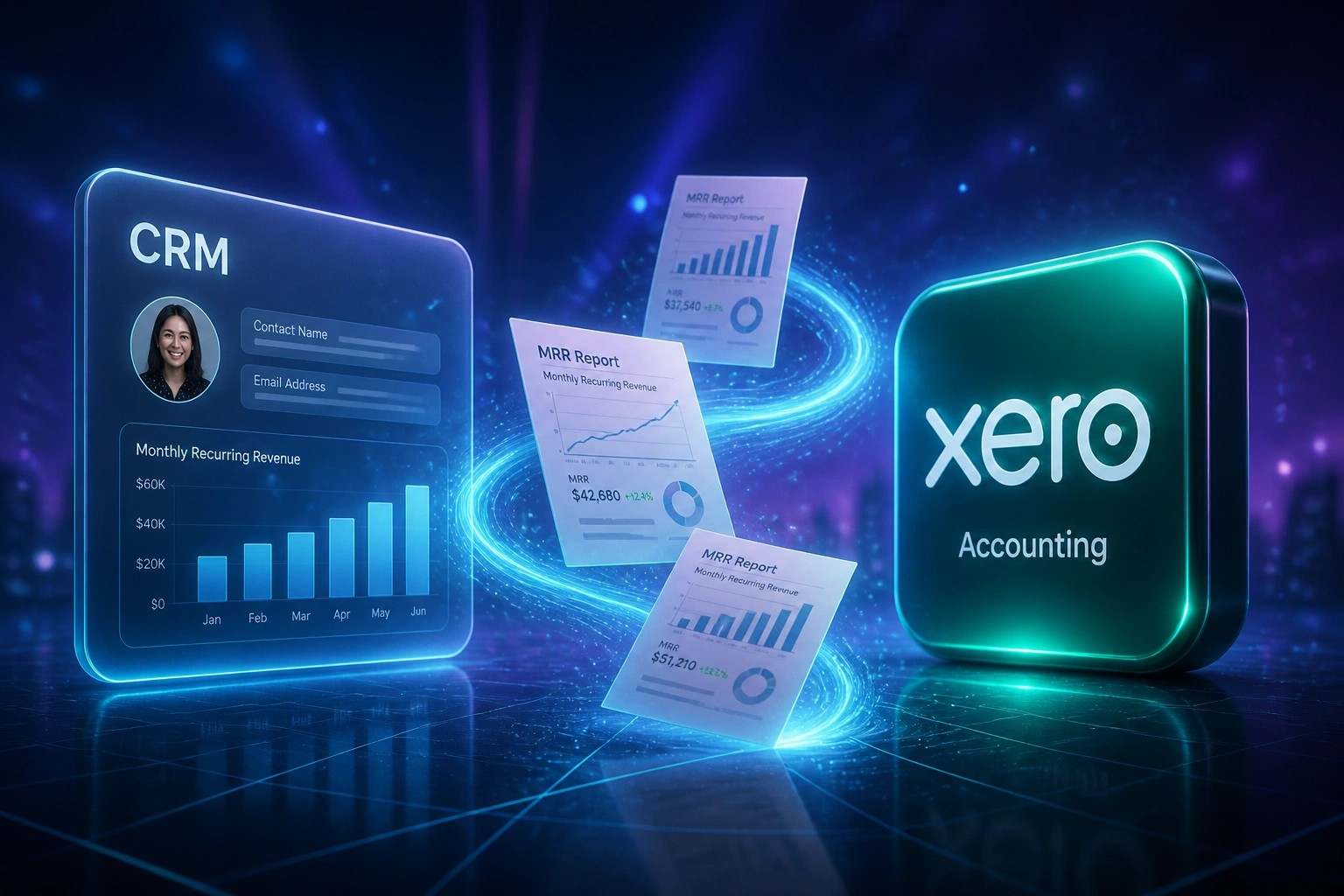
We handle extraction, transformation, and loading so your data works for you. From rescuing records out of legacy databases and reverse-engineering undocumented schemas into ERDs and data dictionaries, to compliance-grade searchable archives before a legacy system is switched off, cleaning spreadsheets into structured CRMs, consolidating multiple departmental Excel workbooks into one shared database, product information management (PIM) that centralises descriptions, images, specs, and pricing from spreadsheets and Shopify drafts into a governed master catalogue for every channel, scheduled Excel-to-SQL ETL with validation and error quarantine, a runtime integration-boundary validation layer that rejects or quarantines bad VAT numbers, account codes, and partner payloads before CRM or ledger writes, Change Data Capture (CDC) that syncs only changed rows for near-real-time CRM/ERP/warehouse alignment instead of overnight full-table hauls, choosing real-time sync vs eventual consistency per flow so inventory and pricing stay live while invoices and analytics settle safely, scheduled database sync between systems with no native connector (overnight and hourly batch jobs from warehouse DB to ecommerce, ERP tables to reporting DB, or legacy SQL to SaaS), ETL error handling with exponential backoff retries, dead-letter queues, and freshness alerting so silent overnight failures do not leave stale dashboards, signed cross-system schema mapping with reusable transformation layers between ERP, warehouse, ecommerce, CRM, and legacy databases, continuous CRM↔ERP two-way sync of customers, products, orders, credit limits, and inventory, REST SaaS extraction into the warehouse with pagination, rate-limit handling, and incremental loads, AI-powered PDF and invoice OCR into databases and ledgers, scan-to-data OCR for TIFF/JPEG paper archives, bank statement PDF and CSV parsing for reconciliation, outbound CRM-driven PDF generation for quotes, sales proposals, invoices, reports, and e-sign-ready contracts from governed templates, DocuSign and HelloSign (Dropbox Sign) signature-status and audit-trail sync back to CRM deals, branded client document portals for secure upload, download, and review linked to CRM client records, immutable document access, edit, and share audit trails with CRM-linked evidence packs, cross-system fuzzy matching and survivorship merges across CRM, ERP, marketing lists, and spreadsheets, in-flight data cleaning during CRM and ERP cutovers, replication-based zero-downtime cloud migrations, recurring partner CSV drops that catch bad rows before they hit the database, automated retention schedules that archive, anonymise, or delete expired personal information on a POPIA/GDPR clock, pipelines between platforms, entity schemas, migration delta sync, identity-document OCR that extracts names and ID numbers into CRM fields, industrial IoT predictive maintenance and computer vision quality inspection feeding CMMS and MES, AI inventory optimisation with safety-stock and reorder-point write-back, clause-level AI contract review for liability and POPIA gaps, and POPIA and GDPR privacy controls, predictive customer-issue detection from behavioural signals, company-wide semantic enterprise knowledge search, embedding GPT/LLMs into CRM/ERP/helpdesk as a programme, AI resume screening with ranked ATS shortlists, customer-facing RAG support with citation trails from synced knowledge bases, CRM-triggered multi-channel marketing content kits, AI document classification and departmental routing, account-takeover-aware AI fraud pattern matching into CRM and finance queues, AI purchase order extraction from PDF email and scan POs into ERP line items, AI legal clause extraction of obligation dates payment terms renewals and liability caps into CRM calendar and ERP, AI feedback theme analysis that clusters reviews tickets and surveys into ranked NPS drivers, AI employee engagement prediction that flags workforce retention risk from HRIS activity signals, and SA courier ETA delivery prediction ML that writes trusted checkout dates from lane history traffic and load shedding, AI ticket priority scoring that ranks support requests by content urgency, customer value, and SLA deadline pressure (distinct from AI ticket routing and from sentiment-plus-urgency inbox triage), meaning-based embedding search over company document corpora when keyword filenames fail (distinct from company-wide enterprise knowledge search and from helpdesk KB / CRM smart search), end-to-end SA filing-room digitisation from scan intake through AI capture, classify, and SharePoint/Drive/CRM write-back with POPIA retention clocks (distinct from classification-only routing and form field extraction alone), language detection and mother-tongue contact-centre support across all 11 official SA languages (distinct from general business-comms translation), and a natural language report builder / text-to-dashboard that produces formatted chart dashboards and exportable PDF report packs (distinct from governed NLQ/text-to-SQL answers and from AI narrative prose generation), team output and performance-metrics dashboards for ops leadership, cross-department team performance scorecards across sales, delivery, finance, and support, multi-location / branch comparison reporting with side-by-side location analytics, and franchisor HQ roll-ups with royalty variance dashboards, we make sure your data is accurate, connected, and compliant, AI CV parsing for SA recruiters that structures ID numbers, NQF levels, and work history into ATS fields (distinct from resume screening shortlists), AI SARS document extraction for IRP5/IT3(a)/IT14/EMP201 into payroll before EMP501 peaks, AI approval intelligence that auto-clears low-risk requests and escalates exceptions, and AI call centre QA that scores every call for script, empathy, and resolution instead of sampling a few percent.
Move off Access, FoxPro, FileMaker, Dataverse, VTiger MySQL, on-prem SQL Server, MySQL, Oracle, or Postgres to modern CRMs and managed cloud SQL (Azure SQL, RDS, Cloud SQL, Postgres) with cross-system deduplication and warehouse-ready extracts. Covers reverse-engineering undocumented schemas into ERDs and data dictionaries so tribal knowledge is not the only map before a migration, plus compliance-grade searchable archival of full legacy systems before switch-off so history stays accessible without keep-alive servers. Also covers VPS and colo self-hosted MySQL to Amazon RDS, Cloud SQL, or Azure Database for MySQL with Multi-AZ and automated backups, plus replication-based zero-downtime cutovers (continuous sync, lag monitoring, flip cutover) when a weekend outage is not acceptable, and pre-replacement master-data and open-transaction extraction from Pastel Partner/Evolution, Accpac/Sage 300, and SAP Business One.
Turn internal data into clean, documented APIs that other systems can consume, including inventory and marketplace sync, per-warehouse Excel into a unified location ATS ledger, and approved inventory-count variance write-back with accuracy audit trails to ERP/WMS. Also covers inbound REST extraction from HubSpot, Shopify, Xero, Stripe and other SaaS tools into a warehouse or operational database with pagination, rate-limit handling, retries, idempotency keys for once-only writes, message queues that decouple sync chains so spikes and outages do not cascade, and incremental fetching, plus continuous CRM↔ERP two-way sync when native connectors are missing, choosing real-time sync vs eventual consistency per flow so chatty always-on paths are reserved for inventory and pricing while invoices and analytics can settle on a safer schedule, programmatic billing and invoice APIs that let product or CRM systems create and query ledger invoices with auth and idempotency, consumer-facing payment status tracking APIs that normalise Pending, Paid, and Failed across multiple gateways for portals and ops, normalised multi-gateway payment data APIs that feed Power BI, Looker, and Metabase with cohort revenue and failure-rate analytics beyond status checks alone, bespoke data enrichment APIs that expose CIPC, industry registers, and niche sources as callable REST products for CRM and apps (alongside inventory and billing APIs), and structured integration logging with correlation IDs so failed CRM→payment→accounting hops are diagnosable in minutes rather than hours.
Augment records with firmographic data, verified contacts, bounce checks, geocoding, and CIPC company registry enrichment into onboarding and CRM systems, plus batch CIPC company search for credit, procurement, and sales-ops CRM enrichment (registration number, status, and registered name at scale, distinct from full KYB examiner onboarding), and CIPC director identity matching with resignation and appointment-change flags for onboarding queues. Also covers AI contact enrichment that fills sparse name-and-email stubs with company profiles, social signals, and intent data so personalisation and routing have something to work with. Also covers LinkedIn company/account enrichment (industry, headcount, HQ, specialties, tech stack signals) for ABM and ICP segmentation, distinct from LinkedIn contact enrichment that writes job title, seniority, company, and location onto sales contact records for outreach personalisation. Also covers Apify LinkedIn person/profile Actors that enrich CRM contacts with title, seniority, headline, About, and experience snippets on a pay-per-result basis as a ZoomInfo/Apollo seat alternative (distinct from LinkedIn company scrapers and from non-Apify contact enrichment). Also covers scheduled multi-source CRM enrichment routines (Clearbit/ZoomInfo/Apollo-style waterfall plus public sources) that keep firmographics, phones, titles, industry, and employee count fresh on a cadence, distinct from one-shot AI fill and LinkedIn-only enrichment, automated email finding plus verification pipelines (Hunter/Apollo into NeverBounce/ZeroBounce into CRM) that protect outbound deliverability before send, bulk email list verification and pre-campaign cleaning of existing CRM and ESP lists that removes invalid, disposable, role-based, and catch-all addresses at scale (distinct from email finding plus verification for new leads), bespoke callable enrichment APIs that expose CIPC, industry registers, niche directories, and proprietary sources as a REST product for CRM and apps when off-the-shelf vendors do not cover the fields that matter (distinct from scheduled waterfall and one-shot AI fill), and compliant Apify LinkedIn company scrapers with rate limits, proxies, and pay-per-result firmographics (employee count, industry, HQ) as a lower-seat alternative to ZoomInfo or Apollo-style waterfall enrichment for ABM and ICP work; and Apify-powered public-web scrapers that fill firmographic fields (company size, industry, website, phone, social) on sparse CRM stubs for sales intelligence, distinct from LinkedIn-only Apify Actors and from Clearbit/ZoomInfo waterfall enrichment.
Entity models, deduplication, hygiene scorecards, POPIA/GDPR compliance controls, field mapping, signed cross-system schema mapping and reusable transformation layers between ERP, warehouse, ecommerce, CRM, and legacy databases, product information management (PIM) that centralises descriptions, images, specs, and pricing from spreadsheets and Shopify drafts into a governed master catalogue for every sales channel, vendor-master consolidation with supplier scorecards and BBBEE certificate fields into a golden supplier record, continuous supplier performance analytics for OTIF, quality, and price drift feeding board-ready ratings and preferred-list decisions, timezone-aware date and timestamp conversion during CRM migration (SAST vs UTC, Created Date integrity), a dedicated runtime integration-boundary validation layer (schema plus business rules that reject or quarantine bad VAT numbers, account codes, and partner API payloads before CRM, Xero, or warehouse writes), Apify scraped-source quality gates that validate Actor datasets with schema checks and anomaly detection before CRM or warehouse ingest (distinct from partner-payload boundary validation and from warehouse ETL alone), bulk CSV import/export with validation, recurring partner CSV drops with schema validation, duplicate detection, and quarantine of bad rows, AI fuzzy-match CRM duplicate detection that catches nicknames, typos, and swapped fields beyond exact-match rules, plus Apify scraped-record deduplication with fuzzy matching and survivorship merge before CRM load (distinct from in-CRM AI fuzzy-match alone), continuous AI CRM data quality automation that monitors, corrects, and enriches incomplete, stale, and malformed records as an ongoing hygiene loop (distinct from one-off dedupe or enrichment alone), scheduled data health scoring with data decay detection alerts and remediation queues before campaign sends (distinct from AI correction/enrichment alone), continuous point-of-entry cleansing pipelines that keep hygiene permanent instead of one-time cleanup weekends, master data management with golden records and data stewardship across CRM, ERP, ecommerce, and billing, cross-system fuzzy matching and survivorship merges across CRM, ERP, marketing lists, and spreadsheets, consolidating multiple departmental Excel workbooks into one shared database / source of truth, scheduled Excel-to-SQL ETL with validation and error quarantine, Change Data Capture (CDC) for change-only near-real-time sync instead of full-table extracts, ETL error handling with exponential backoff retries, dead-letter queues, and data pipeline monitoring with freshness SLAs and instant alerting, scheduled database sync between systems with no native connector (overnight and hourly batch, warehouse DB to ecommerce, ERP to reporting DB, legacy SQL to SaaS), automated retention schedules that archive, anonymise, or delete expired personal information across CRM, ERP, support, and storage, in-flight cleaning during CRM/ERP cutover (profiling, dedupe, format standardisation, and quarantine so dirty data is not lift-and-shifted), POPIA-compliant migration events with consent carry-over, data minimisation at cutover, and Chapter 9 cross-border transfer grounds when moving to offshore SaaS, API-based extraction when flat CSV drops relationships or attachments (including SugarCRM junction tables and audit-trail exports), scheduled or automated contact export from legacy CRMs that preserves fields, tags, and notes for marketing list sync and BI, CRM cutover ETL tool comparison (Talend, Fivetran, Informatica vs Data Loader, native wizards, and scripts), CRM migration quota modelling with Bulk vs record-by-record pacing and off-peak cutover windows, scheduled exports, migration validation, audit-ready change trails, CRM-attached proposal/contract storage with Google Drive, SharePoint, and Dropbox sync, Google Drive and SharePoint deal-folder automation with durable Graph identifiers rather than fragile path URLs, governed document template libraries with CRM merge-field auto-populate, CRM-triggered sales proposal generation into branded templates for same-day turnaround, CRM-driven PDF generation for quotes, invoices, and reports, outbound MSA/NDA/SOW contract PDFs from deal fields into clause-controlled e-sign-ready templates, DocuSign and HelloSign (Dropbox Sign) signature-status and audit-trail sync to CRM deals, branded client document portals for secure upload, download, and review linked to CRM client records, immutable document access, edit, and share audit trails with CRM-linked evidence packs, and approval-status sync back to CRM records.
Live dashboards joining CRM pipeline with accounting revenue, cash, aged debtors, and subscription metrics, operational paid/pending/overdue/disputed invoice status slices for finance leadership, scheduled AR ageing report packs (30/60/90) for CFO and finance delivery, leave liability and annual-leave balance dashboards for HR and finance year-end provisioning, multi-gateway payment analytics feeds for Power BI, Looker, and Metabase board packs with cohort revenue and failure rates, a unified payment reporting API that normalises status, fees, FX, and settlement dates across Stripe, PayFast, Peach, and Yoco into one BI contract, debit-order collection health packs covering success, unpaid, and dispute rates after monthly Netcash and DebiCheck runs, plus predictive pipeline scores, AI lead scoring and ML lead ranking trained on closed-won CRM conversion patterns so sales prioritises who will close, AI deal win prediction and win-probability forecasting on open mid/late-funnel opportunities (distinct from top-of-funnel lead ranking), natural-language RAG search over CRM contacts, notes, deals, and emails for sourced answers such as what was last promised to a client, governed natural language querying / text-to-SQL / conversational analytics over warehouses and BI models so non-technical leaders ask plain-English questions and get governed results (distinct from CRM RAG search and from semantic smart search of CRM records), natural language SQL against operational databases (Postgres, MySQL, SQL Server, BigQuery tables) with row-level governance and query audit so managers get self-service answers without analyst tickets (distinct from warehouse / BI-model conversational analytics), AI narrative report generation that writes board-ready prose from live data covering trends, exceptions, and recommendations (distinct from chart dashboards and live P&L views), AI product recommendation engines that lift conversion and AOV from browse/purchase patterns and inventory on ecommerce storefronts, AI price optimisation and dynamic pricing that recommends prices from demand elasticity, competition, and cost and pushes approved changes into ecommerce, ERP, and CRM quote tools, AI sales coaching / conversation intelligence that scores talk ratio and objection handling on every call and writes coaching tips back to CRM for managers who cannot listen to every conversation, real-time and post-call personalised coaching tip delivery with conversation scoring feedback loops and manager dashboards (distinct from bulk coaching content and from transcription alone), AI sales call transcription that turns every conversation into searchable coaching data with talk-track, objection, and next-step CRM write-back (distinct from broader voice analytics and from multi-channel conversation summarisation), AI lead routing and automatic rep assignment by expertise, territory, and capacity so high-intent leads reach the rep most likely to close instead of round-robin or first-to-claim (distinct from AI lead scoring alone), AI transaction anomaly alerts on bank feeds and AP for duplicate payments and unusual spend, agentic multi-agent workflow orchestration that chains decisions across CRM, finance, ops, and email, AI voice analytics / speech analytics across contact-centre call libraries for tone, keywords, compliance phrases, and QA at 100% coverage (distinct from meeting transcription and written sentiment), AI next best action / mid-pipeline CRM recommendations that suggest call, email, demo, or nurture based on what historically closes (distinct from lead scoring and deal win prediction), AI upsell timing prediction that waits for usage and satisfaction windows before expansion asks (distinct from next-best-action and product recommendations), AI customer journey mapping that reconstructs real multi-touch paths from web, CRM, support, and email behaviour to expose drop-offs and handoff friction (distinct from segmentation and health scores), AI document summarisation of reports, whitepapers, board packs, and meeting notes into key findings and recommendations (distinct from AI email summarisation and AI narrative report generation), multi-channel AI conversation summarisation (calls, chats, tickets) that auto-populates CRM activity records (distinct from AI email summarisation and AI meeting transcription), AI cash flow prediction and rolling 13-week cash forecasting from receivables patterns, payables schedules, and seasonality so finance acts before a shortfall, AI product description generation from catalogue attributes into unique SEO-ready copy for Shopify, WooCommerce, Magento, and PIM at SKU scale (distinct from general marketing content generation), AI email summarisation that turns long threads into digests with decisions and action items, AI email drafting for sales that drafts CRM-grounded outbound emails from deal stage and last touch so reps edit and send, AI meeting transcription that writes structured summaries with owners and deadlines into CRM notes and tasks, AI voice agents that qualify inbound calls, book meetings, and write call summaries back to the CRM, AI support chatbots that deflect Tier-1 tickets and escalate with context into the helpdesk and CRM, customer-facing AI chatbot deployment and go-live across web and WhatsApp with containment-rate dashboards and learning-from-resolved-tickets loops (distinct from Tier-1 deflection alone and from internal helpdesk bots), AI internal helpdesk chatbots for employee IT and HR self-service (password resets, leave policy, VPN access, onboarding FAQs) distinct from external customer-support chatbots and from AI ticket routing, AI sentiment analysis that scores emails, calls, and chat for emotion detection and writes churn-risk flags into CRM for proactive retention, inbox email and WhatsApp sentiment-plus-urgency triage that reorders support queues so frustrated customers surface first (distinct from CRM churn-risk write-back), AI churn prediction and attrition modelling with early-warning at-risk scoring for save campaigns, AI customer segmentation and behavioural clustering that discovers high-LTV cohorts and writes segment membership back to CRM for campaign targeting, AI anomaly detection and real-time KPI outlier monitoring that alerts ops and finance when metrics spike or drop abnormally (distinct from narrative report generation and churn prediction), AI fraud detection for payment, refund, claims abuse, and account-takeover pattern matching that flags suspicious patterns in real time and writes high-risk cases into CRM, helpdesk, and finance queues before losses land (distinct from general KPI anomaly alerts), AI customer health scores from product usage, support load, and engagement so CSMs act on living account health before churn prediction fires, AI knowledge base search over Confluence, SharePoint, Notion, Google Drive, Helpjuice, and Zendesk Guide for internal SOPs and articles with citations (distinct from CRM RAG and CRM semantic smart search), customer-facing RAG support that answers tickets only from synced Confluence, Zendesk Guide, Notion, and PDF knowledge with citation trails and low-confidence escalation (distinct from generic Tier-1 chatbots and from internal KB search), RAG over the company's own document corpus (policies, contracts, SOPs, board packs) with cited natural-language answers grounded in those files (distinct from CRM RAG and help-centre KB search), AI ticket routing and intelligent queue assignment by content, intent, language, and priority with triage accuracy ops metrics (distinct from support chatbots that answer customers), AI content generation for marketing that turns briefs into brand-voice blog, social, ad, and newsletter drafts into WordPress, Contentful, and HubSpot CMS, plus CRM-triggered multi-channel campaign kits that produce email sequences, social calendars, and product description catalogues with approval workflows into HubSpot, Mailchimp, Meta Ads, and Shopify (distinct from brief-to-CMS draft pipelines alone), AI workflow optimisation and process mining that mines CRM, ERP, and ticket event logs for bottlenecks, rework loops, and ranked automation opportunities (distinct from narrative report generation and anomaly detection), AI-powered CRM data entry and smart field capture from emails, calls, and documents with live completeness scores, AI semantic smart search that finds contacts and deals from imprecise natural-language queries (distinct from RAG sourced answers), and AI-readiness field hygiene for forecast confidence. Also covers inventory demand forecasting and stock prediction models from sales history for purchasing decisions (not only CRM pipeline scores), AI inventory optimisation that sizes safety stock and reorder points from seasonality and lead times to cut carrying cost and stockouts, industrial IoT predictive maintenance that scores failure probability from vibration and temperature sensors and opens CMMS work orders before breakdown, and computer vision / visual AI quality inspection that detects defects on the line in real time and syncs rejects to MES/ERP, shop-floor digital inspection checklist capture with pass/fail alerts and live quality dashboards for manufacturing and food plants (distinct from camera-based vision QC), CRM report and dashboard recreation after platform migration: formula and filter inventory, critical weekly-view rebuild, same-period KPI validation before the old CRM is switched off, and channel/ROI attribution continuity (lead source, UTMs, Campaign Members) plus multi-touch models and ad-platform spend sync so marketing spend reporting survives the cutover, and campaign-level marketing ROI dashboards joining Google, Meta, and LinkedIn spend to CRM closed-won for budget reallocation, plus scheduled RAG project status packs from Asana, Jira, and Monday alongside AR and payment packs for client and exec delivery, executive multi-project portfolio dashboards of health, budget burn, timeline, and utilisation, utilisation-rate, project-burn, and team-capacity trend reporting from Harvest, Toggl Track, Clockify, and related time tools, and strategic project margin analysis that ranks clients and project types by true profitability. Also covers frontline sales manager dashboards for live pipeline coverage and ageing, forecast vs quota, and rep scorecards that replace the Monday Excel rebuild, stage-probability-weighted pipeline forecasting reports for hiring, inventory, and cash planning, AI revenue forecasting / ML sales prediction models that combine CRM pipeline, closed-won history, and market signals into a rolling revenue forecast (distinct from stage-probability-weighted pipeline reports, AI deal win prediction, inventory demand forecasting, and AI cash flow prediction), marketing performance dashboards that join Google, Meta, LinkedIn, and email (Mailchimp/Klaviyo) spend to CPL, MQL to SQL, and closed-won attribution, customer lifetime value reporting by segment and channel (LTV:CAC and cohort profitability, distinct from campaign ROI alone), stage-by-stage funnel conversion analytics that join CRM lifecycle stages with marketing source data to expose drop-off bottlenecks and quantify leaked pipeline value, customer churn reporting that joins CRM, billing cancellations/unpaid, and support tickets with exit-pattern and attrition cohort analysis, plus AI churn prediction that scores accounts weeks earlier for proactive save campaigns, and live financial reporting dashboards for daily P&L, expense, and margin visibility that retire month-end pack assembly. Distinct from parking multi-year historical CRM analytics in BigQuery, Looker, or Power BI so YoY board packs and audit trails survive decommission without keeping leftover seats. Also covers AI meeting summarisation with automatic action-item distribution to attendees (owners, deadlines, email/Slack/Asana/Jira), distinct from AI meeting transcription for CRM sales coaching; voice AI phone receptionist for inbound answering, enquiry qualification, and appointment booking (distinct from voice analytics); AI email classification and shared-inbox intent routing that sorts enquiries, complaints, and orders to the right team; and AI translation embedded in email, chat, WhatsApp, and document channels for multilingual SA and cross-border teams; predictive support that detects early customer frustration signals (ticket spikes, sentiment drops, failed logins, SLA breaches) and triggers proactive outreach before escalations (distinct from AI churn prediction and AI customer health scores); company-wide AI enterprise / semantic knowledge search across SharePoint, Drive, email, wikis, and databases for all employees (distinct from helpdesk KB / RAG article search); embedding GPT and large language models into existing CRM, ERP, and helpdesk as a coherent programme rather than another chatbot silo; and AI resume screening with JD fit scoring and ranked candidate shortlisting into ATS/HRIS for talent acquisition teams; AI feedback theme analysis / NLP theme clustering across reviews, tickets, and surveys into ranked NPS and CSAT drivers (distinct from per-ticket sentiment scoring and CRM churn-risk write-back); AI employee engagement prediction and workforce retention risk scoring from HRIS activity signals for People Ops early intervention (distinct from customer churn prediction); and SA courier ETA / delivery prediction ML from lane history, traffic, weather, and load shedding with checkout write-back so ecommerce customers get dates they can trust (distinct from inventory demand forecasting); meaning-based / embedding search over company document corpora (policies, contracts, SOPs, board packs) when keyword filenames fail (distinct from company-wide enterprise knowledge search and from helpdesk KB / CRM smart search); AI ticket priority scoring that ranks by content urgency, customer value/ARR, and SLA deadline pressure (distinct from AI ticket routing and from sentiment-plus-urgency inbox triage); language detection and mother-tongue contact-centre support across all 11 official SA languages on WhatsApp, email, and chat (distinct from general business-comms translation); and a natural language report builder / text-to-dashboard that produces formatted chart dashboards and exportable PDF report packs (distinct from governed NLQ/text-to-SQL answers and from AI narrative prose generation); AI call centre quality monitoring that scores 100% of interactions for script adherence, empathy, and resolution quality so QA replaces 1-3% sampling (distinct from voice analytics dashboards and from sales call coaching), multi-source sales data consolidation that unifies CRM, spreadsheet forecasts, and ledger revenue into one trusted feed before any BI dashboard is built (distinct from live dashboard products alone), automated board report and executive summary narrative generation from live financial and operational data so leadership edits instead of assembling (distinct from live KPI tiles and from AI narrative prose alone), and full investor-ready digital board pack PDF/portal assembly from live extracts, KPI snapshots, agendas, and departmental uploads (distinct from dashboard exports and from narrative-only board reports), team output and performance-metrics dashboards for ops leadership (distinct from CEO board packs alone), cross-department team performance scorecards covering deliverables, deadlines, and quality across sales, delivery, finance, and support (distinct from sales pipeline dashboards and executive KPI packs), multi-location / branch comparison reporting with side-by-side location analytics for revenue, costs, and conversion by branch (distinct from single-pane executive dashboards), and franchisor HQ roll-ups with royalty variance and outlet KPI dashboards for franchisee networks (distinct from company-owned multi-location CRM reporting), project cost-vs-quoted-revenue dashboards that line up actuals against the original quote for actuals-based job pricing and quote accuracy (distinct from live project P&L margin views alone).
Pull structured data from websites, directories, and public sources into your systems, including Google Maps business-listing extraction (names, phones, addresses, websites, ratings, review counts into CRM and lead lists) and yellow pages, industry directory, and chamber of commerce scraping that consolidates multiple directories into one CRM-ready prospect database, multi-source lead database builds that combine public records, directories, and social profiles with cross-source deduplication into CRM (distinct from single-directory or Maps extracts), trade association member lists, professional body registers, and regulatory licence directories (e.g. SAPC, HPCSA, ECSA, freight licensing) for niche vertical prospecting, and LinkedIn Sales Navigator prospect and account list export into CRM and campaign CSV pipelines (distinct from LinkedIn contact/company enrichment). Also covers identity-document OCR that extracts names, ID numbers, and dates from Smart IDs and passports and writes them back to CRM or core systems, AI-powered business PDF extraction (invoices, statements, reports) into databases and ERPs with confidence-based review, multi-document intelligent document processing (IDP) pipelines covering invoices, contracts, and forms with confidence review queues into ERP/AP and CRM, AI form field extraction from application, claim, and onboarding packs with validation rules and CRM/ERP/HR write-back (distinct from invoice IDP and identity-document OCR), AI contract analysis that extracts key terms, scores playbook deviations, and flags risk clauses into legal and commercial review queues (distinct from IDP field extraction alone), including clause-level liability, indemnity, termination, and POPIA/DPA gap screening against your commercial playbook, AI legal clause extraction that pulls obligation dates, payment terms, renewal windows, and liability caps into CRM, calendar, and ERP fields for obligation tracking (distinct from clause risk review and playbook deviation scoring), template-free vision/LLM invoice extraction for messy supplier layouts versus classic OCR, invoice OCR that captures line items, VAT, and vendor fields for AP posting, AI invoice processing that extracts line items and matches them to purchase orders end-to-end (distinct from capture-only OCR and from GL categorisation), AI purchase order extraction that captures line items, quantities, prices, delivery dates, and supplier matching from PDF, email, and scan POs into ERP and procurement systems (distinct from AI invoice processing and from AI form field extraction), AI three-way matching that verifies supplier invoices against purchase orders and delivery notes for mismatch detection, overbilling prevention, and quantity variance (distinct from PO-match-only OCR), AI expense receipt categorisation that classifies travel, meal, and mileage receipts into GL spend codes and populates employee claims (distinct from supplier invoice OCR and generic form capture), scan-to-data OCR for TIFF/JPEG paper archives (contracts, delivery notes, HR packs), bank statement PDF and CSV parsing for ledger matching, multi-SaaS REST API ingestion when CSV exports are the current bottleneck, and inbound email body parsing that extracts lead fields from enquiry and partner-referral messages into CRM records. Also covers competitor price monitoring via daily price scraping across Takealot, Makro, and rival storefronts with change alerts into CRM/BI (distinct from AI price optimisation under Reporting & BI), ecommerce marketplace price comparison scraping across Takealot, Amazon, and Shopify storefronts with SKU matching, Buy Box style offer comparison, and multi-channel price sheets (distinct from generic site monitoring and from lead-directory scraping), multi-platform review aggregation from Google, Facebook, Hellopeter, and TripAdvisor into one dashboard with alerts for new negatives, dedicated Hellopeter review monitoring with alerting and CRM write-back for SA brands (distinct from multi-platform aggregation), TripAdvisor and Google Reviews aggregation for hospitality reputation intelligence and competitor scorecards (distinct from Hellopeter and generic multi-platform review feeds), continuous market research scraping of competitor catalogues, hiring and expansion signals, review-volume trends, and strategy-deck datasets (distinct from competitor price monitoring and ecommerce price comparison), CareerJunction and PNet job-board scrapes for SA labour market intelligence covering posting volumes, advertised salary ranges, and skills demand for CHRO, TA, and consulting dashboards (distinct from LinkedIn enrichment and generic hiring-signal research), and multi-board SA recruitment market intelligence across Careers24, LinkedIn Jobs SA, Indeed SA, PNet, and CareerJunction for live salary benchmarks, skills demand, and hiring volumes by sector (distinct from dual-board CareerJunction/PNet packs alone), News24 and IOL SA press brand-mention and competitor media monitoring via Apify with minute-level alerts for corp comms and PR teams (distinct from review aggregation and market-research scrapes), and Apify SA media sentiment scoring dashboards across News24, Business Day, IOL, Moneyweb, and forums for brand intelligence and same-day crisis detection (distinct from mention-hit alerts without tone scoring), SA property portal listing scraping from Property24 and PrivateProperty for suburb pricing, days-on-market, and inventory research for developers and investors, Apify-powered Property24-first listing feeds for suburb pricing trends and availability (distinct from multi-portal research scrapes), Private Property listing monitors that alert on new stock, price cuts, and withdrawals via WhatsApp or Slack (distinct from bulk research extracts), AutoTrader vehicle listing monitoring for SA dealership pricing floors, days-in-stock, and competitor stock (distinct from property portal scrapes), plus AutoTrader market pricing trend packs with suburb/metro averages, make-model depreciation curves, and wholesale vs retail spreads for dealership and fleet pricing (distinct from per-listing monitors alone), Apify Takealot product and pricing scrapes for Buy Box competitive intelligence and seller/stock watchlists for SA ecommerce brands (alongside marketplace price comparison), SA government tender monitoring across eTenders, provincial and municipal portals, and Government Gazette notices with keyword matching, deadline alerts, and CRM/pipeline write-back for bid teams, including Apify-scheduled eTender and provincial portal monitors with closing-date alerts (distinct from AI tender-pack field extraction), scheduled web scraping pipelines with cron cadences, change detection, failure retries, and incremental database upserts (distinct from one-off extracts and from price or market-research use cases), and stock availability monitoring / inventory scraping for competitor and supplier in/out-of-stock and restock alerts (distinct from price comparison scraping). Also covers handwriting recognition and paper form digitisation that clears clinic, field, and claims backlogs of handwritten intake forms into structured CRM or patient-system records the same day (distinct from ID-document OCR and typed PDF field extraction), and AI document classification and departmental routing that labels inbound PDFs and email attachments by type and urgency then files them into AP, claims, HR, and contracts queues with SharePoint, Drive, CRM, and ticketing write-back (distinct from IDP field extraction and from AI email-intent triage under Reporting & BI); and end-to-end SA filing-room digitisation from scan intake through AI capture, classify, and SharePoint/Drive/CRM write-back with POPIA retention clocks (distinct from classification-only routing and form field extraction alone); AI CV and resume parsing that extracts SA candidate fields (ID numbers, NQF/SAQA qualifications, employment history) into ATS profiles (distinct from AI resume screening and JD-fit shortlisting); SARS tax document AI that extracts IRP5/IT3(a), IT14, and EMP201 fields into payroll and e@syFile (distinct from general invoice IDP and form field extraction); Apify Actor to dataset to CRM API pipelines with scheduled scrapes, webhook sync, dedupe, and field mapping so lead records land cleaned without Friday CSV imports; Apify proxy rotation with residential versus datacentre pools, sticky sessions, and anti-bot routing so scrapers survive IP blocks and CAPTCHAs instead of dying mid-run; Apify scheduled Actor runs with monitoring alerts on run status and dataset field stats plus automatic retries so overnight failures surface in minutes rather than on Monday, and Apify webhooks into Slack and Microsoft Teams for failure notifications, run summaries, and empty-dataset guards (distinct from scheduled monitoring alerts and Slack/email change detection alone); Apify webhooks that push finished datasets into BigQuery, Snowflake, or PostgreSQL so scraped data is analytics-ready without overnight CSV dumps; AI extraction of SA government tender and RFP packs (eTenders) for compulsory briefings, CIDB grades, B-BBEE eligibility, functionality criteria, and pricing schedules with capability matching into BD CRM; and B-BBEE supplier certificate and affidavit field extraction into scorecard and vendor-master evidence packs for verification season; Apify Actors that scrape public B-BBEE certification databases and registries (level, ownership %, validity dates, SANAS agency) into vendor master for supplier compliance verification (distinct from OCR-style certificate/affidavit field extraction alone); Crawlee framework custom scraper development with production retries, persistent request queues, and maintainable Actor/pipeline handoff (distinct from Apify proxy rotation config alone); JSE share-price scraping, SENS announcement monitoring, and corporate-action feeds into analytics and BI (distinct from News24/IOL press monitoring); Apify Actors for CIPC company registration, status, and director extraction into compliance and credit queues (distinct from licensed KYB examiner products); and end-to-end Apify-to-warehouse ETL with scheduling, transform, load, and freshness monitoring beyond webhook-to-BigQuery/Snowflake alone; general Apify website change detection for competitor pages, regulatory sites, and product listings with structured diffs and Slack/email alerts (distinct from portal-specific monitors and from scheduled pipeline change detection alone); multi-platform Apify competitive price monitoring across Takealot, Amazon, Shopify storefronts, and local ecommerce for retail pricing strategy and margin guardrails (distinct from Takealot-only Buy Box watchlists); multi-platform public social media aggregation (LinkedIn public posts, Instagram public, X/Twitter public, Facebook pages) for brand monitoring, share of voice, and audience research (distinct from Hellopeter/TripAdvisor review aggregation and News24/IOL press monitoring); Apify structured-data extraction patterns for messy unstructured HTML such as supplier portals and inconsistent listing pages, using layout targeting, pattern matching, and AI-assisted parsing into CRM-ready rows (distinct from vertical marketplace scrapers and from PDF/IDP extraction); and Apify LLM-assisted extraction pairing scrapers with GPT or Claude (or Apify AI Actors) for schema-guided field classification, confidence scores, and human review queues on complex unstructured pages where CSS selectors keep breaking (distinct from layout-targeting / pattern-matching structured extraction alone); and Apify dataset validation with schema checks and anomaly detection on scraper output before CRM or warehouse ingest (distinct from warehouse-pipeline ETL alone); SA suburb/city/category Google Maps slicing for localised campaigns (Sandton vs Rosebank vs Durban North) distinct from generic city-level Maps lead extraction; Apify ACTOR.RUN.SUCCEEDED webhooks that create net-new CRM leads, contacts, and companies on run complete (distinct from enrichment of existing records and from scheduled API polling); Takealot seller analytics dashboards with ranking history, Buy Box win/loss trends, and decision-ready Looker/Power BI packs for marketplace sellers (distinct from raw Takealot price-sheet feeds alone); keyword-matched email and SMS SA tender alerts to the bid desk (distinct from portal monitoring and closing-date alerts alone); and Google Reviews text collection across owned and competitor listings with response-workflow triggers and sentiment trend tracking for multi-location reputation ops (distinct from Maps listing fields like ratings and review counts alone); Crawlee with Playwright for SPA and JavaScript-heavy dynamic-site extraction covering wait-for-selector, hydration, and anti-bot JS challenges (distinct from general Crawlee framework custom scraper development); Apify SA residential geo-targeting for localised Rand prices, local search results, and geo-fenced stock or promotions (distinct from general Apify proxy rotation and anti-bot routing); Apify ACTOR.RUN.SUCCEEDED webhooks that append or replace finished datasets into Google Sheets for sales, pricing, and marketing ops who work in spreadsheets (distinct from BigQuery/Snowflake warehouse pipelines and from CRM lead-creation webhooks); multi-portal Apify SA property trend dashboards that combine Property24 and Private Property into suburb, city, and property-type asking-price and inventory intelligence for investors, agencies, and developers (distinct from single-portal Property24 feeds and from Private Property new-stock monitors); and Apify ecommerce product catalogue scraping for assortment monitoring, new arrivals and delists, SKU coverage, and living product databases (distinct from multi-platform price monitoring and from broad market-research catalogue scrapes); and Apify scraped-record deduplication with fuzzy matching and survivorship merge rules before CRM or database load (distinct from schema quality gates and from in-CRM AI fuzzy-match alone); load-shedding-aware Apify schedule design with EskomSePush/ESP stage and area gates, shift windows, and catch-up runs so SA scrapers avoid wasted compute during Stage 4-6 outages (distinct from generic scheduled monitoring alerts alone); and Apify Actor webhooks into n8n, Make, or Zapier for no-code scraped-data routing to Sheets, CRM, Slack, and warehouses (distinct from direct API-to-CRM pipelines)

Leadership cut Monday financial assembly from 8 hours to 20 minutes. One live dashboard of pipeline, recognised revenue, and cash recovered R210K+ in year-one executive time.

Your CRM and ledger never agree on MRR. One SaaS client cut reconciliation from 20 hours a month to 3, shipped board packs on day 3 instead of day 10, and recovered R860,000 in year one.
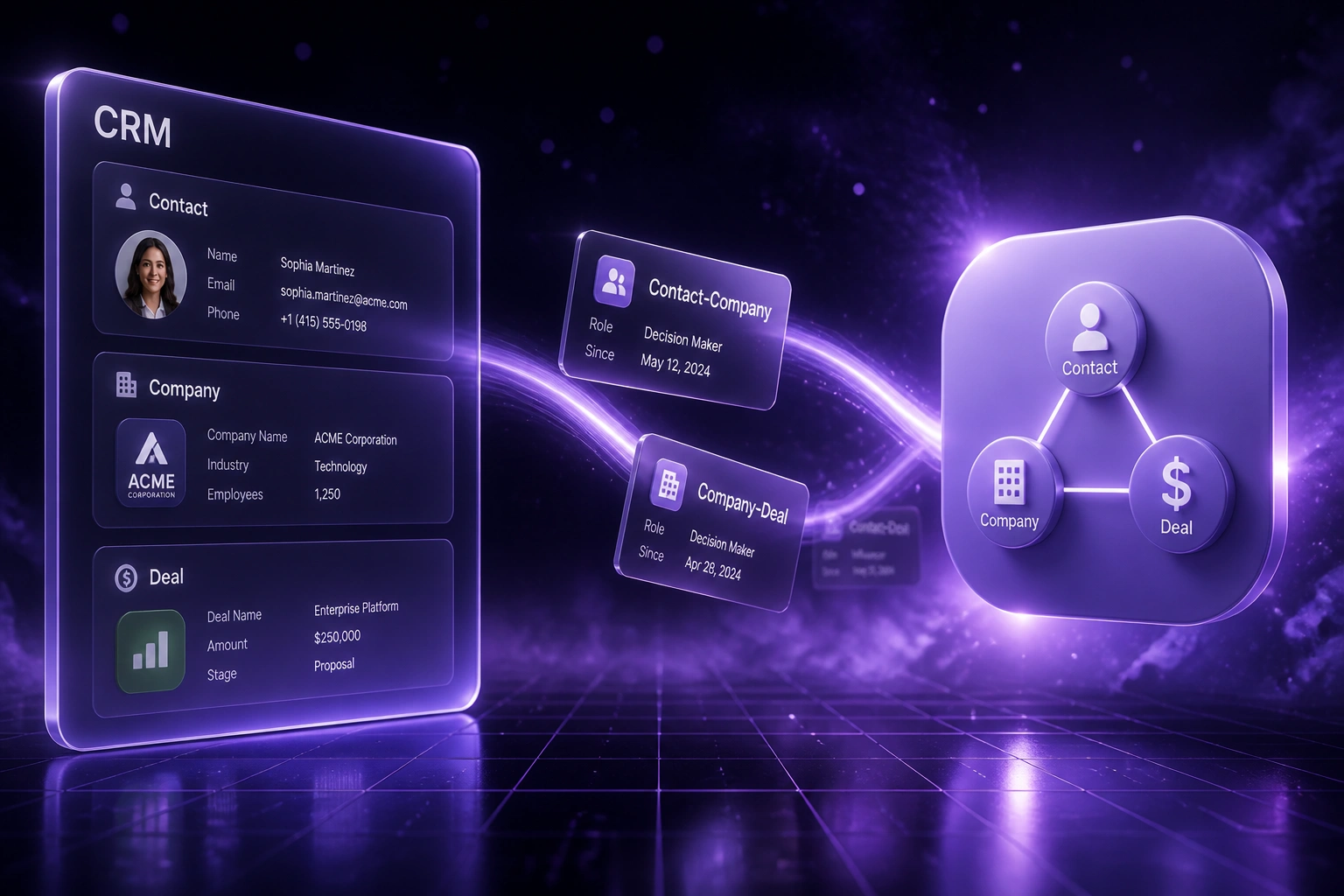
A Cape Town services firm cut CRM duplicates from 18% to under 2%, recovered 420 staff hours a year, and finally trusted board reports after we rebuilt their entity model.

A 12-rep sales team cut board-pack prep from four days to 45 minutes and recovered 400+ hours a year with live CRM reporting dashboards for pipeline health and rep scorecards.
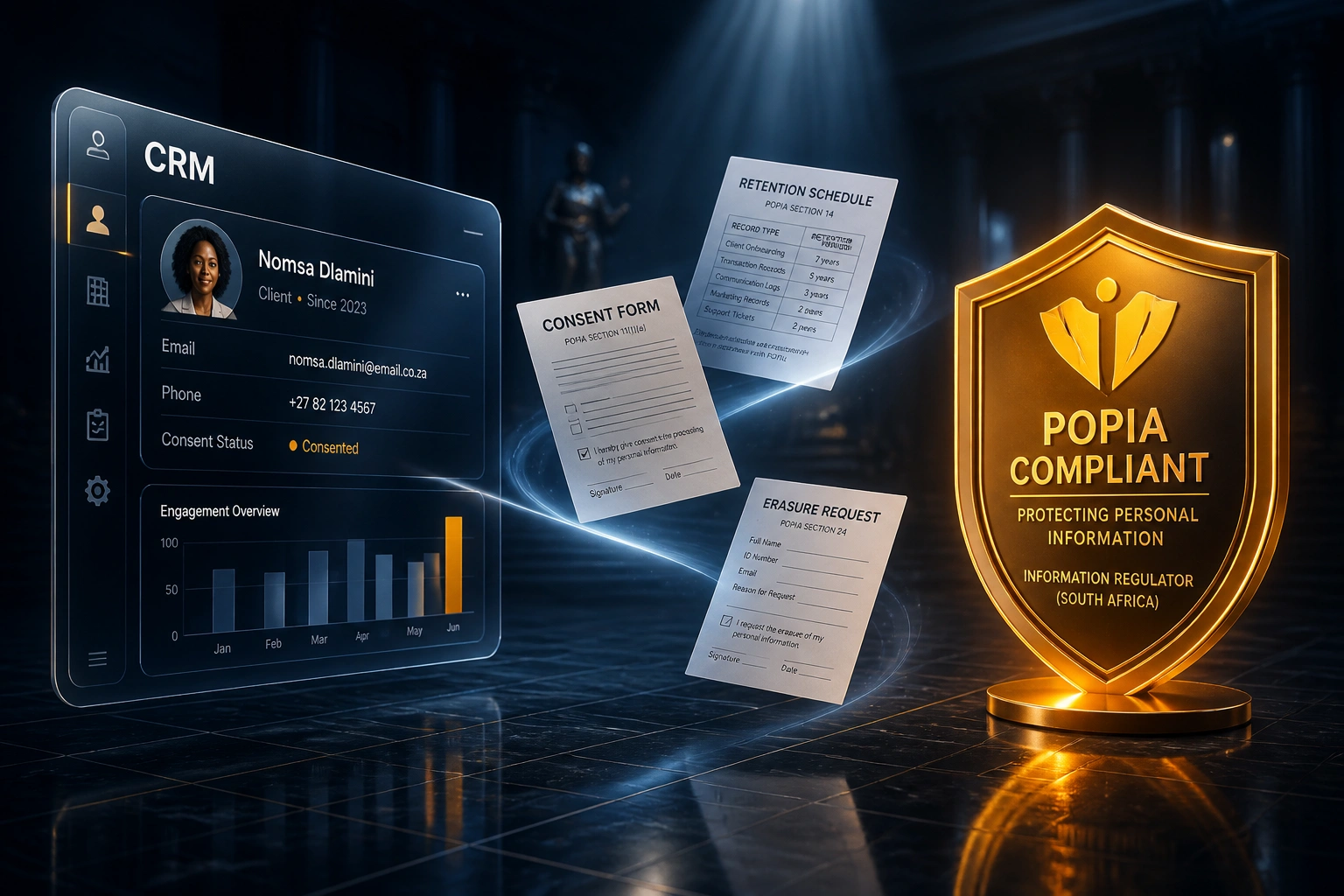
A Johannesburg services firm cut DSAR and erasure handling from 20 hours to 2 per request, recovered R121,000 in year one, and can prove consent and erasure when the Regulator asks.
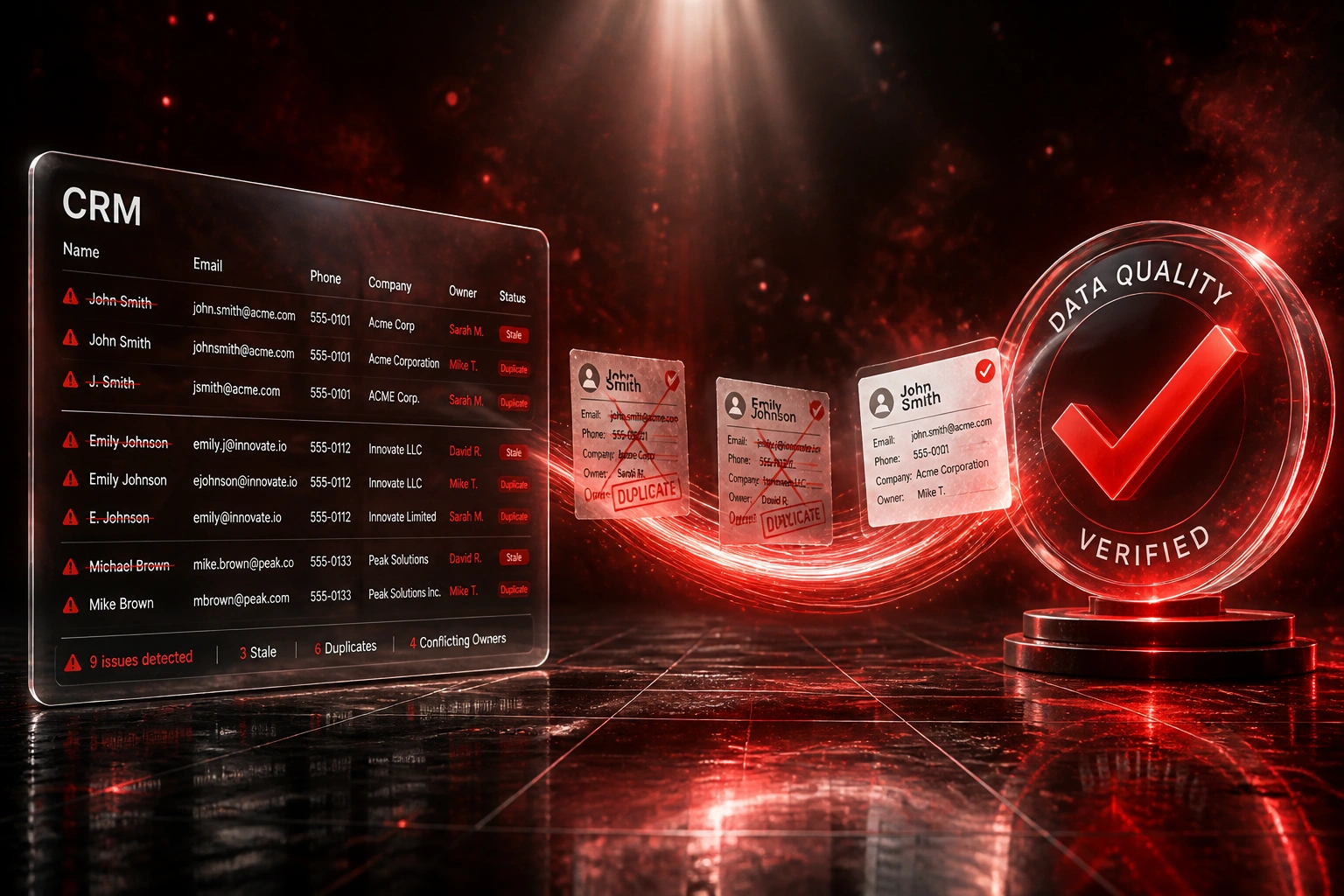
A Johannesburg B2B firm cut CRM duplicates from 22% to 1.5%, brought forecast variance to 8%, and recovered R2.4 million in year one from missed follow-ups and wasted outreach.

A 28-seat manufacturer cut Dynamics and Power Platform spend from ~R780K to under R160K a year, keeping every account, contact, and opportunity after a planned Dataverse export.
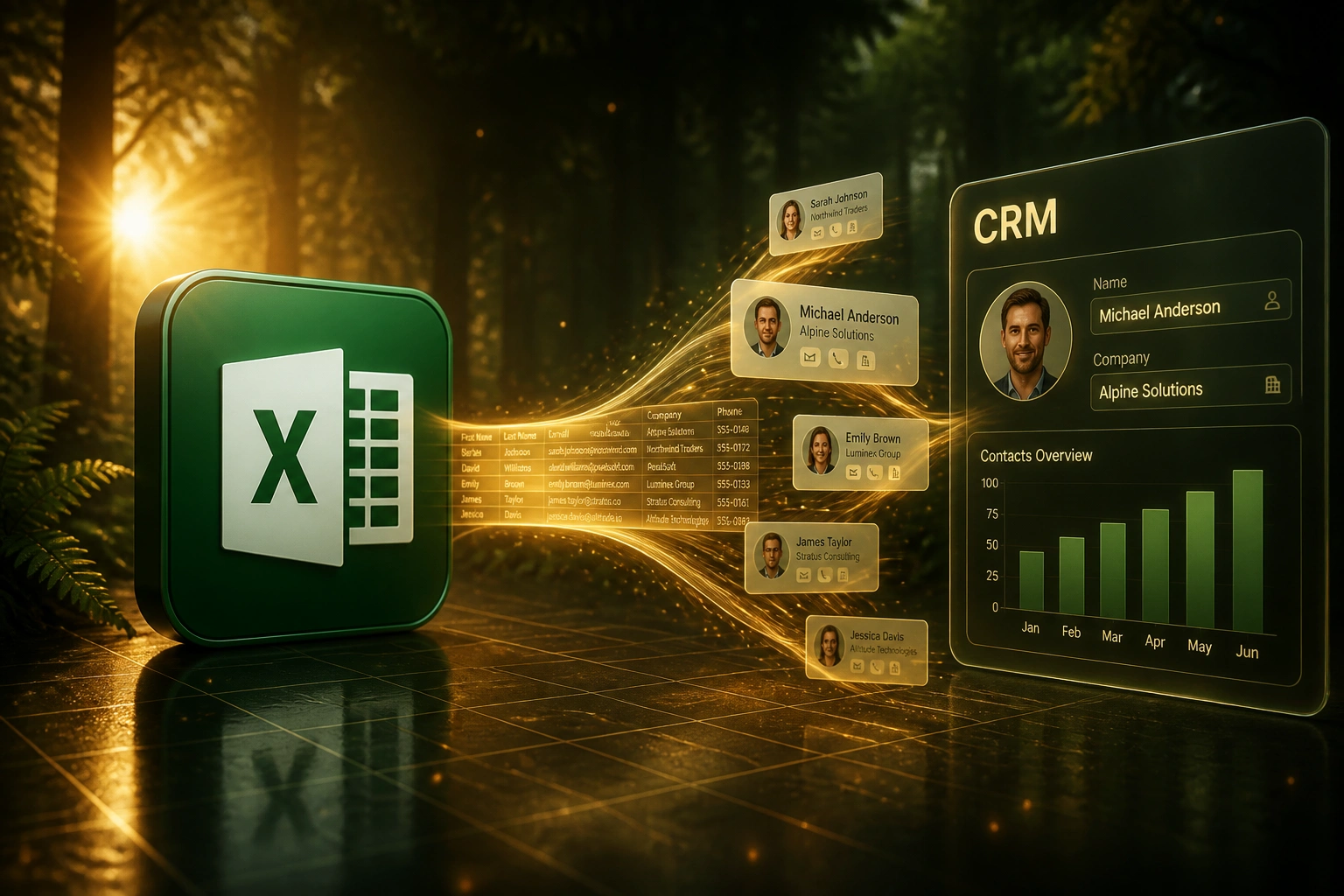
A Cape Town distributor cut Excel pipeline admin from 11 hrs/week to under 2, recovered R184K in year-one staff time, and stopped losing deals to Customer_List_FINAL_v3.xlsx.

One client cut post-cutover cleanup from 90 hours to under 8 with signed-off field mapping. Record errors fell from 4% to under 0.5%, recovering R148K in staff time in year one.
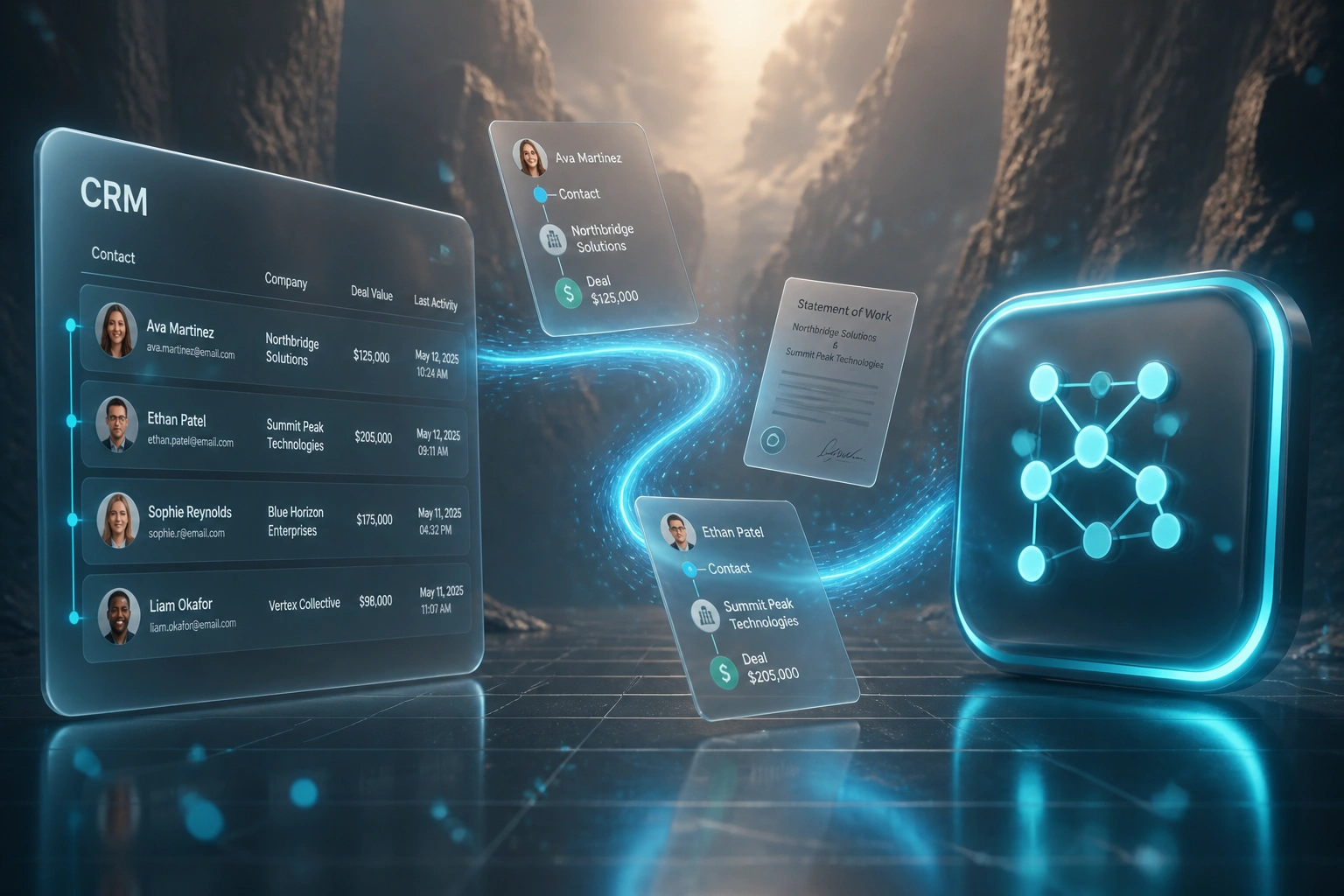
19,000 orphaned deals relinked and R28.6M of stale pipeline restored after a hollow CRM cutover. We rebuild contact, company, deal and activity links so day one actually works.
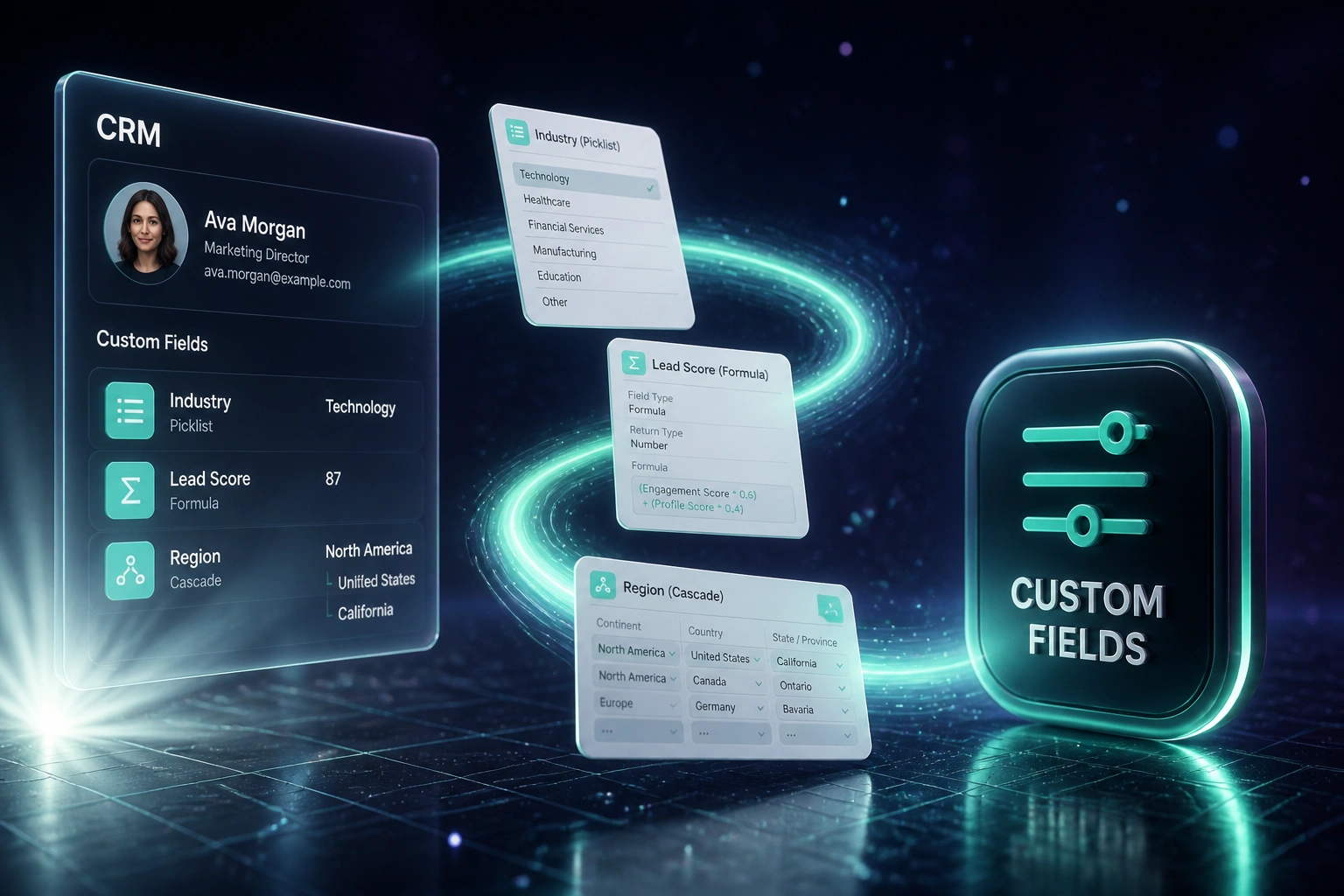
Cut custom-field rebuild from three weeks of blank formulas to validation-only. 180 fields, picklists and cascades landed intact. We migrate field types, not flat CSV dumps.

Caught 3,200 orphaned deals and stage drift before dual-licence cutover. Our validation suite signed off go-live in 48 hours with a board forecast the CEO could finally trust.